222 vs mmotion
222 and mmotion are both friendship apps that help you meet people in real life, but they take different approaches. Here’s how they stack up across pricing, format, cities, and more.
Side-by-side comparison · Updated 2026
At a glance
Pricing
222 is priced at $$ (Free app; events typically $30–$60 per experience), while mmotion comes in at Free (Free (invite-only beta)).
Format & matching
222 uses groups of Small groups, compared to mmotion’s 5 friends per profile, and 222 relies on algorithm-based matching while mmotion uses interest-based matching.
How they work
222: Download the app and complete a detailed personality quiz — it covers your interests, values, social style, and what kind of experiences you're into. 222 uses this to build a 'curation profile' that determines which events you get invited to and who you'll be grouped with. When an experience is available in your city, you'll get an invite — say yes, and you're in. On the night of, you show up to the venue and meet your group. The evening is planned for you: dinner, drinks, a venue, maybe a second stop. All you have to do is show up and be yourself.
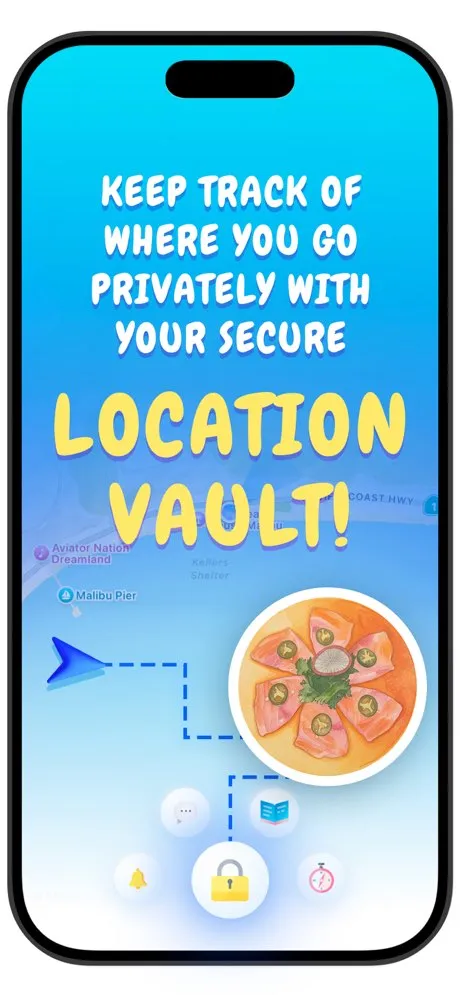
mmotion: Apply to join the vetted community — mmotion is members-only. Once approved, the app quietly logs the places you spend time at (restaurants, gyms, galleries) into a private Location Vault that only you can see. You create up to three profiles to express different sides of yourself — maybe one for nightlife, one for fitness. When you're ready, you choose which visits to share publicly. You can discover other members who've visited the same spots and connect with them, limited to five friends per profile to keep things intentional. Messaging opens with a built-in conversation starter about the place you both visited.
What to love
222: No profiles, no DMs, no swiping — removes all the friction and awkwardness of typical social apps. Personality-based matching means you're not just thrown in with random strangers. Full evening experiences (dinner + activity) feel like a real night out, not a forced meetup. All members are vetted before being selected for events. Strong TikTok community and word-of-mouth reputation in major cities.
mmotion: Privacy-first design — everything is private by default. Location-based matching feels more organic than profiles or algorithms. Multiple profiles let you compartmentalize your social life. Five-friend limit per profile forces genuine connections. Built-in conversation starters remove the cold-open awkwardness.
Reality check
222: iOS only — no Android app available. Limited to a handful of US cities plus Toronto. Event costs add up on top of the free app. You can't choose who you go with — the algorithm decides.
mmotion: NYC-only beta with a 1,000-user cap — most people can't use it yet. Invite-only application process creates a barrier to entry. Requires constant location access, which is a big ask. Very new — the community may be too small to reliably match with people.
Søren's take
On 222: 222 is one of the more interesting approaches to IRL social I've seen. By removing profiles and messaging entirely, they've eliminated the part of friendship apps that feels most like work. The personality matching and curated evenings mean you show up, meet cool people, and go somewhere fun — all without planning anything. The catch is availability: it's iOS-only and in just a few cities, so if you're not in NYC, LA, SF, or Chicago, you're out of luck for now. If you are, though, it's worth trying at least once.
On mmotion: mmotion is one of the most interesting social apps I've seen in a while — the idea of meeting people through shared places instead of shared bios is genuinely compelling. The privacy controls are thoughtful and the five-friend cap is a bold design choice that signals they're serious about quality over quantity. But right now, it's a NYC-only beta capped at 1,000 users, so unless you're in Manhattan, you're on a waitlist. Worth applying if you're in New York and curious about what post-swipe social networking looks like.