The pitch for mmotion sounds like something out of a Black Mirror writer's room: an app that silently tracks every restaurant, gym, and bar you visit, builds a private map of your social life, and then introduces you to people who go to the same places. Except when you actually use it, it feels less dystopian and more like the thing location-sharing should have been all along.
I applied to mmotion's beta about two weeks ago and got approved a few days later. Here's what happened when I actually started using it.

How It Works
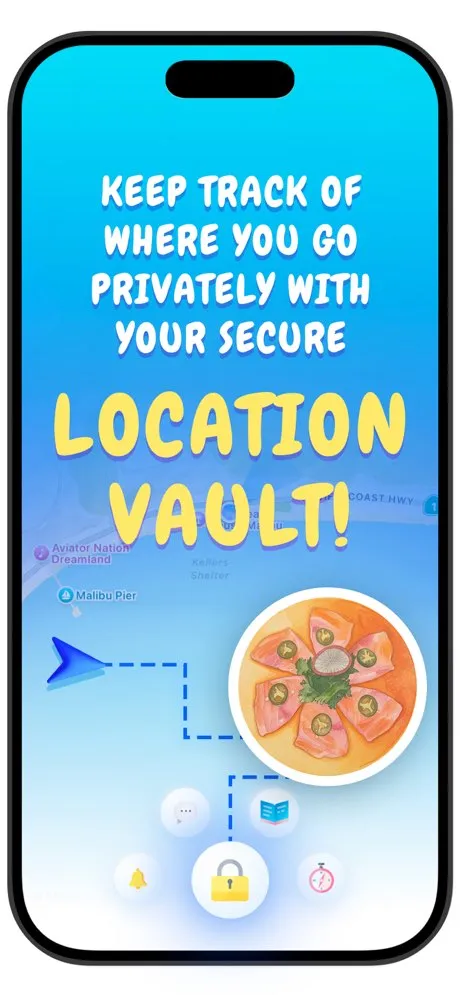
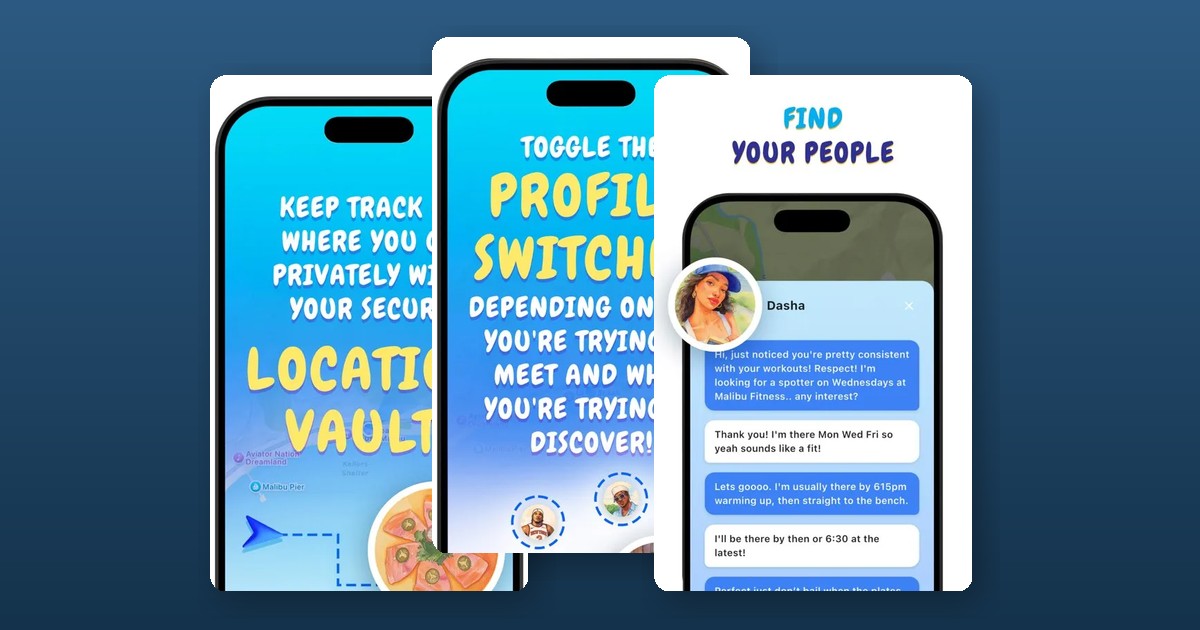
First, you apply. mmotion is invite-only and vetted — they're capping at 1,000 members for the NYC beta. Once you're in, the app asks for location access (always-on, which is a lot) and starts passively logging places where you spend more than a few minutes. These visits go into your "Location Vault," which is completely private by default. Nobody sees anything unless you choose to share it.
The interesting part is the profile system. You can create up to three distinct profiles — say, one for your nightlife self, one for your fitness self, one for your foodie self. When you decide to share a visit, you pick which profile to attach it to. You're also limited to five friends per profile, which sounds restrictive but forces you to be intentional about who you connect with. When you find someone who frequents the same spots, you can connect and message them with a built-in opener about the place you both visited.
What I Liked
Privacy is the default, not a setting
This is the thing that surprised me most. For an app that literally tracks your location 24/7, mmotion is weirdly private. Everything goes into your vault first. Sharing is a deliberate action — you pull a visit out of the vault and choose to make it visible. There's even a "Private" mode that prevents any visits from being associated with a profile at all. It's the opposite of every social app that broadcasts your activity by default and makes you opt out.
Meeting through places feels natural
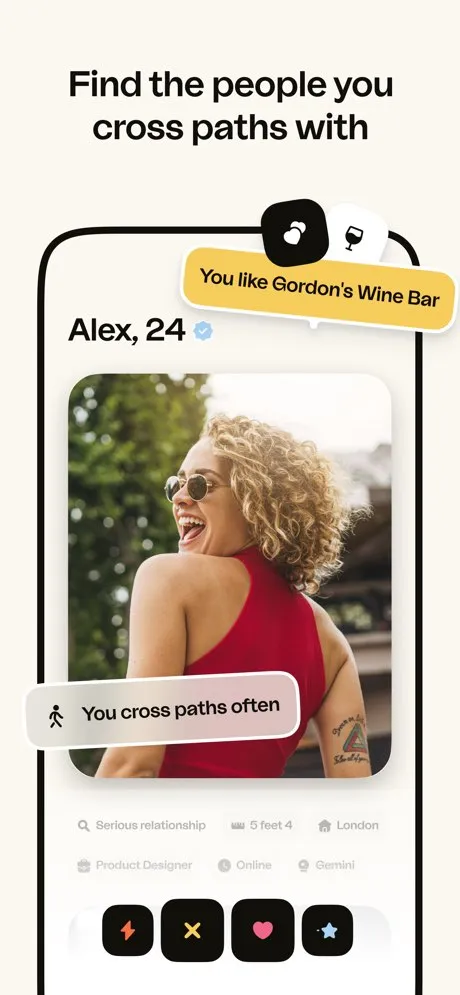
Most friendship apps try to match you based on a bio or a quiz. mmotion matches you based on where you physically spend your time. There's something more honest about that. If someone goes to the same climbing gym and the same ramen spot as me, we probably have more in common than whatever a personality algorithm would predict. It's closer to how friendships actually start — you notice someone at a place you both frequent and eventually say hi.
The multi-profile concept is clever
I set up two profiles: one for food and one for fitness. The idea is that different contexts attract different kinds of connections. My gym friends don't need to see my bar visits and vice versa. It's a thoughtful design choice that acknowledges people are multidimensional, not just one bio.

What I Didn't Like
The user base is too small right now
This is the elephant in the room. With a 1,000-person cap in a city of 8 million, the odds of overlapping with another mmotion member at your favorite coffee shop are slim. I visited maybe 15 places over the week and saw exactly two other members' shared visits across all of them. The concept only works with density, and they don't have it yet. This could change as they grow, but right now it feels like shouting into a beautifully designed void.
Always-on location tracking is a hard sell
I get that the app needs location access to work. But "always" access — not "while using" — is a significant ask. My phone's battery took a noticeable hit, and there's an uncomfortable cognitive weight to knowing an app is logging everywhere you go, even if only you can see it. The privacy controls are great in theory, but you still have to trust a startup with your movement data.
The five-friend limit feels premature
In a mature community, capping friends at five per profile would create intimacy and intentionality. Right now, with barely anyone on the platform, it just feels like an artificial constraint. I'd rather have the chance to connect with the handful of people who are actually on the app than be told I've maxed out a profile with people I met in week one.
NYC only
If you don't live in New York, mmotion doesn't exist for you yet. There's no timeline on expansion that I could find. For a location-based app, geographic coverage is everything, and right now the coverage is one city.
Who Should Try mmotion
If you're in New York and you're the kind of person who already has a rotation of favorite spots — a go-to coffee shop, a gym you're loyal to, a bar where the bartender knows your name — mmotion adds a social layer to habits you already have. You're not changing your routine. You're just making it visible to a small, curated group of people who share it.
Skip it if you're not in NYC, if you're uncomfortable with always-on location tracking, or if you want to meet people right now. The beta is too small to reliably deliver on its promise. Check back in six months.
The Verdict
mmotion is betting that the future of social networking is geographic, not algorithmic. Instead of matching you with someone who answered a quiz the same way, it waits for the real world to generate a signal — you both go to the same places — and then gets out of the way. That's a compelling thesis.
The problem is that a location-based social app with barely anyone on it is just a location tracker. And right now, that's mostly what mmotion is. The design is polished, the privacy model is genuinely thoughtful, and the multi-profile system hints at something interesting. But until the user base grows enough that you're actually bumping into other members, it's a promise more than a product.
I'll keep it installed. If mmotion hits critical mass in New York, it could be one of the most interesting social apps out there. Right now, it's a beautifully built waiting room. Related: if you want something that works today with real people, try Bumble BFF or Timeleft — they've already solved the density problem.