Better Off vs Heylo
Better Off and Heylo are both friendship apps that help you meet people in real life, but they take different approaches. Here’s how they stack up across pricing, format, cities, and more.
Side-by-side comparison · Updated 2026
At a glance
Pricing
Both Better Off and Heylo fall in the Free price range. Better Off: Free to join; individual experiences vary in cost (some free, others paid). Heylo: Free to use; Heylo takes a small percentage when groups collect payments.
Format & matching
Both apps use groups of Varies, and Better Off relies on algorithm-based matching while Heylo uses manual / self-select matching.
How they work
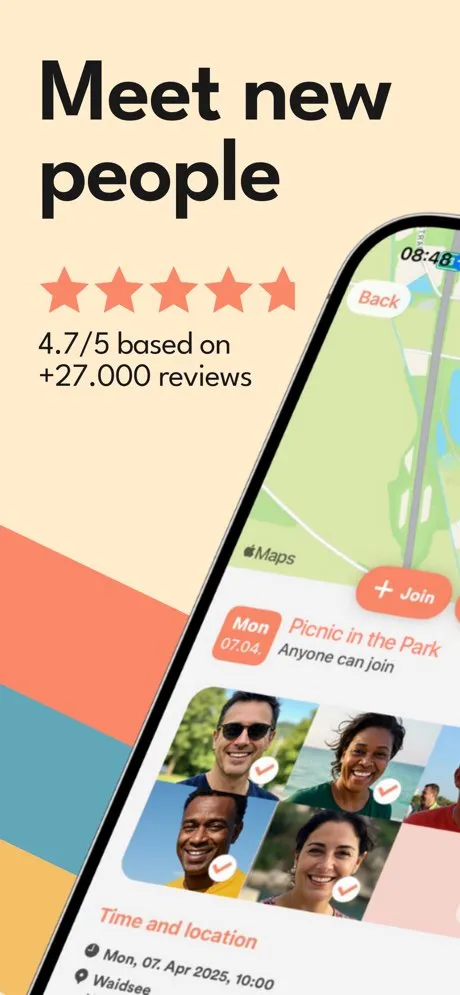
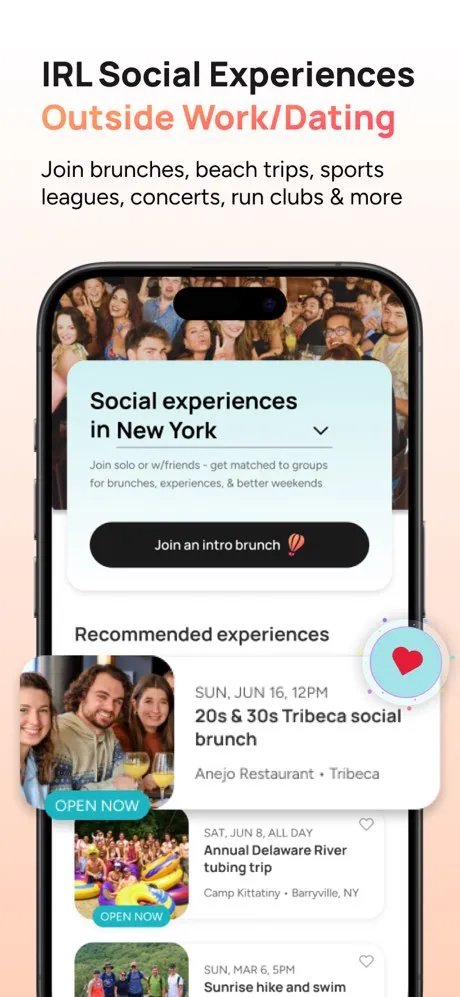
Better Off: Download the app and create a free account. Take a quick personality quiz that covers your interests, social style, and what kind of experiences you're into. Browse upcoming experiences in your city — brunches, run clubs, trivia nights, ski weekends, sushi-making classes, museum happy hours, you name it. Register for one, and Better Off's AI matching system assembles a group of people who fit your personality and preferences. You'll get the details before the event. Show up, hang out with your group, and stick around for the after-bar to meet everyone else.
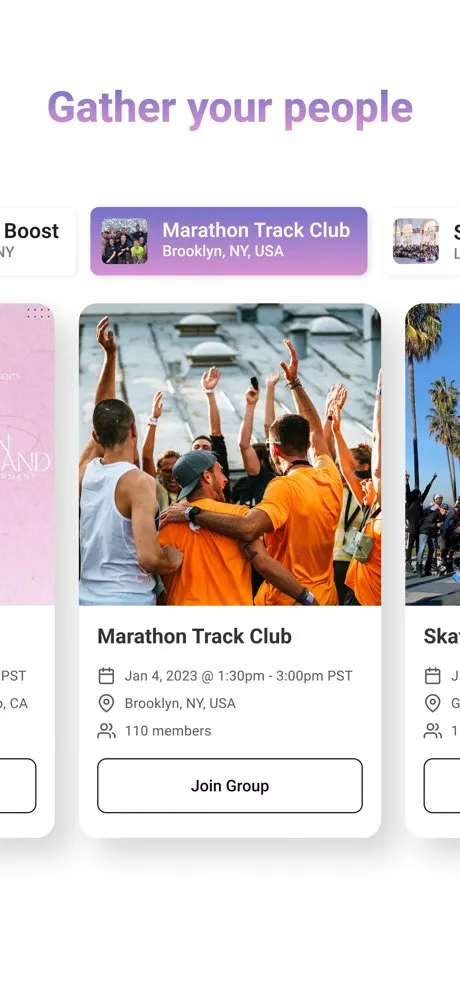
Heylo: A group leader creates a branded group page on Heylo with their logo, colors, and a custom URL. They post events with all the details — location, time, registration caps, guest policies — and members get notified by push notification and email. Members RSVP, pay if there's a fee, and join event-specific group chats to coordinate. The leader can collect recurring membership dues, require waivers, screen new members before letting them in, and track attendance over time. Members manage everything from the app or web — no separate payment apps, no email threads, no spreadsheets.
What to love
Better Off: AI-powered matching goes beyond basic interests — uses neural networks similar to TikTok's recommendation engine. Massive variety of experiences from casual brunches to multi-day ski trips. Works for solo joiners and existing friend groups alike. Available in 10+ US cities with both iOS and Android apps. Free to create an account and browse — you only pay for individual experiences.
Heylo: Replaces GroupMe, Venmo, Google Forms, and email chains with a single platform. Completely free to use with no paywall or usage limits — Heylo only takes a cut of payments. Branded group pages with custom URLs look professional and are easy to share. Built-in payment collection, waivers, and member screening solve real operational headaches. Works on iOS, Android, and web so nobody is left out.
Reality check
Better Off: Experience costs vary widely and aren't always transparent upfront. Quality depends on what organizers are running in your city — some markets are thinner than others. The AI matching is a black box — you can't see exactly why you were grouped with certain people. No structured post-event community or follow-up features to maintain connections.
Heylo: Not a friend-matching app — you need to already know about a group or start your own. Discovery of groups is limited; there's no curated marketplace of communities to browse. The platform's value scales with group size — solo users won't get much from it. Heylo's transaction fee on payments may not work for groups with tight budgets.
Søren's take
On Better Off: Better Off sits in an interesting sweet spot between a social matching app and an event marketplace. The AI matching is the real differentiator — instead of just showing you a list of events and letting you figure it out, they're actually assembling groups of compatible people for each experience. The variety is impressive too: this isn't just another dinner-with-strangers app. The downside is that experience quality and availability depend heavily on your city. If you're in NYC or LA, you'll have plenty of options. Smaller markets might feel sparse. Worth trying if you're the kind of person who'd rather bond over an activity than sit across from a stranger at a bar.
On Heylo: Heylo isn't a friendship app in the traditional sense — it's the infrastructure that makes community groups actually work. If you're running a running club and juggling Venmo requests, GroupMe threads, and Google Form RSVPs, Heylo consolidates all of that into one clean platform. The fact that it's free (they only take a cut when money changes hands) is a huge deal for volunteer-run groups. The limitation is discovery: Heylo doesn't help you find a group, it helps groups run better. If you're a group leader, this is a no-brainer. If you're looking for friends, you'll need to find the group first — but once you do, Heylo makes the experience seamless.