Bumble BFF vs Pie
Bumble BFF and Pie are both friendship apps that help you meet people in real life, but they take different approaches. Here’s how they stack up across pricing, format, cities, and more.
Side-by-side comparison · Updated 2026
At a glance
Pricing
Both Bumble BFF and Pie fall in the Free price range. Bumble BFF: Completely free — no paywalls, no premium tier. Pie: Completely free — no subscriptions, no paywalls.
Format & matching
Bumble BFF uses groups of 1:1 and groups, compared to Pie’s Varies, and both use interest-based matching.
How they work
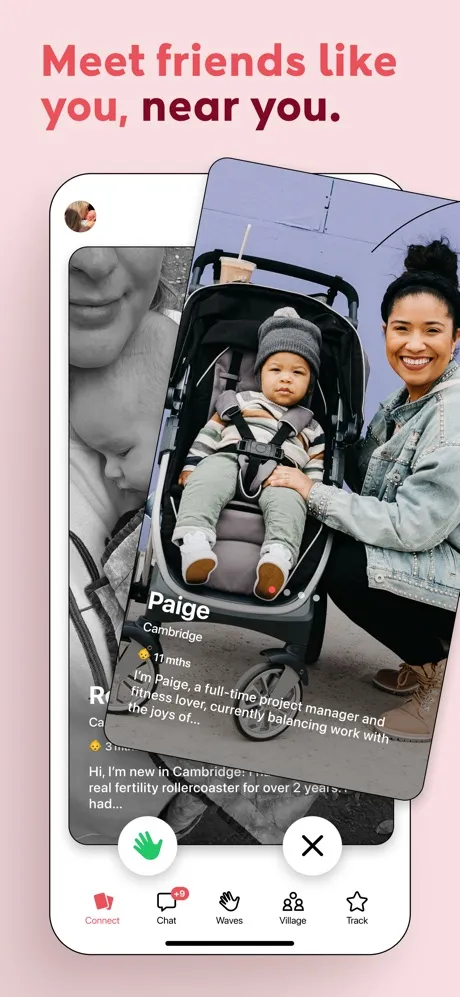
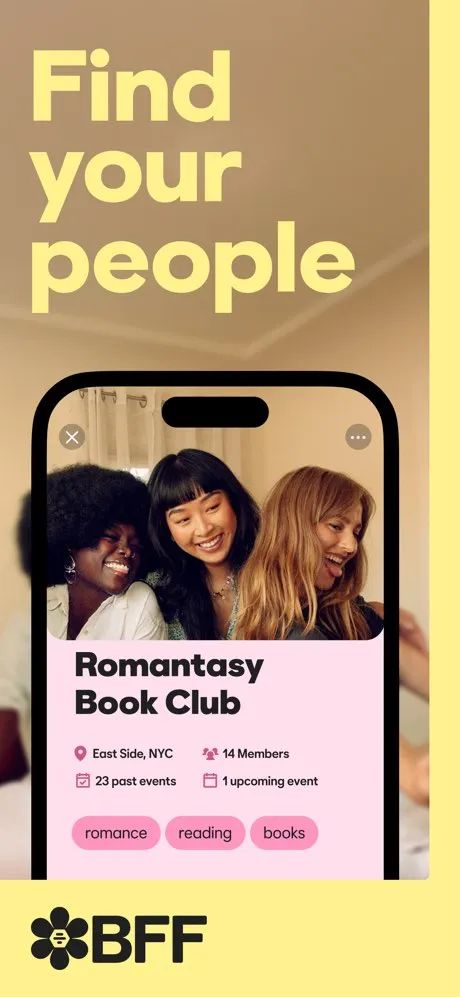
Bumble BFF: Download the standalone BFF app (separate from the Bumble dating app) and create a profile with your interests, a bio, and photo prompts that show your personality. Verify your identity with a selfie. Browse profiles of people nearby and swipe right on anyone you'd want to be friends with. If you both swipe right, you're matched and can start chatting. Beyond 1:1 matches, you can join or create Groups based on shared interests — think book clubs, running groups, or brunch crews. Groups have their own chat, posts, and even video calls to help you plan IRL hangouts.
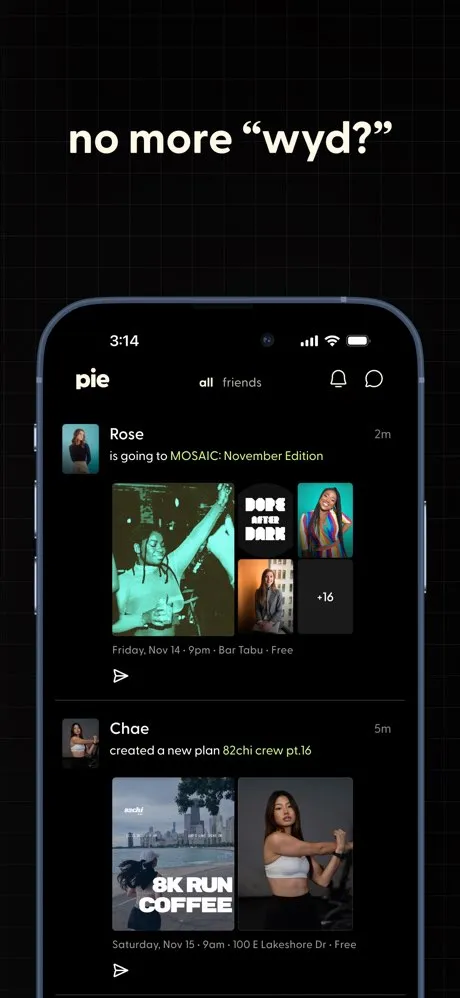
Pie: Download the app and set your city — Pie is live in Chicago, Austin, Bay Area, and Columbus. Your home feed shows free, in-person events happening nearby, filtered by your interests. Tap an event to see who's going, RSVP, and add it to your calendar. After you attend, Pie starts learning who you vibe with and surfaces a personalized feed of friend and friend-of-friend activity. You can also host your own events — keep them private or broadcast them to the whole network using 'snowball mode.' There's a built-in chat for coordinating plans and sharing photos after the fact.
What to love
Bumble BFF: Completely free with no paywalls — every feature is accessible without paying. Massive user base from Bumble's brand recognition means more potential matches nearby. Groups and community features go beyond 1:1 matching into real friend circles. Photo verification on every profile reduces catfishing and spam. Interest tags and photo prompts make profiles feel more personal than a generic bio.
Pie: Completely free — no premium tier, no paywalls, no catch. Event-first model means you're bonding over shared experiences, not forced small talk. The friend-of-friend feed creates organic social discovery that feels natural. You can host your own events, giving you control over the vibe. 4.7-star rating with 1,000+ reviews suggests people genuinely love using it.
Reality check
Bumble BFF: The swiping mechanic still feels borrowed from dating — some people find it awkward for friendship. Conversations can fizzle fast since there's no built-in reason to actually meet up. The 2025 relaunch is still relatively new, so Groups can feel empty in smaller cities. No structured events or activities — you have to organize meetups yourself.
Pie: Only available in four cities — if you're not in Chicago, Austin, Bay Area, or Columbus, you're out of luck. No algorithmic matching — you have to browse and choose events yourself. Event quality depends on what's happening in your area on any given week. As a PBC (Public Benefit Corporation), long-term monetization strategy is unclear.
Søren's take
On Bumble BFF: Bumble BFF has the biggest advantage any friendship app can have: name recognition. Almost everyone has heard of Bumble, which means the user base is enormous. The 2025 relaunch with Groups is a smart move — pure 1:1 swiping for friends always felt slightly off, and the community layer gives you a reason to keep coming back. The fact that it's entirely free is remarkable. The catch? It still lacks the structured, get-you-out-of-the-house push that apps like Timeleft provide. You'll need to be proactive about turning matches into real-life hangouts.
On Pie: Pie is refreshingly simple in a space full of personality quizzes and subscription paywalls. The pitch is: here are free events near you, go to them, meet people. That's it. No matching algorithm, no premium tier, no gamification. The friend-of-friend social graph that builds over time is genuinely clever — it mimics how real-life social circles actually form. The catch is geographic: four cities is a small footprint, and if yours isn't on the list, you're waiting. But if you're in Chicago, Austin, or the Bay Area and want a zero-cost way to build a social life, Pie is the obvious first download.