
Heylo vs Kndrd
Heylo and Kndrd are both friendship apps that help you meet people in real life, but they take different approaches. Here’s how they stack up across pricing, format, cities, and more.
Side-by-side comparison · Updated 2026
At a glance
Pricing
Both Heylo and Kndrd fall in the Free price range. Heylo: Free to use; Heylo takes a small percentage when groups collect payments. Kndrd: Free to use.
Format & matching
Both apps use groups of Varies, and Heylo relies on manual / self-select matching while Kndrd uses interest-based matching.
How they work
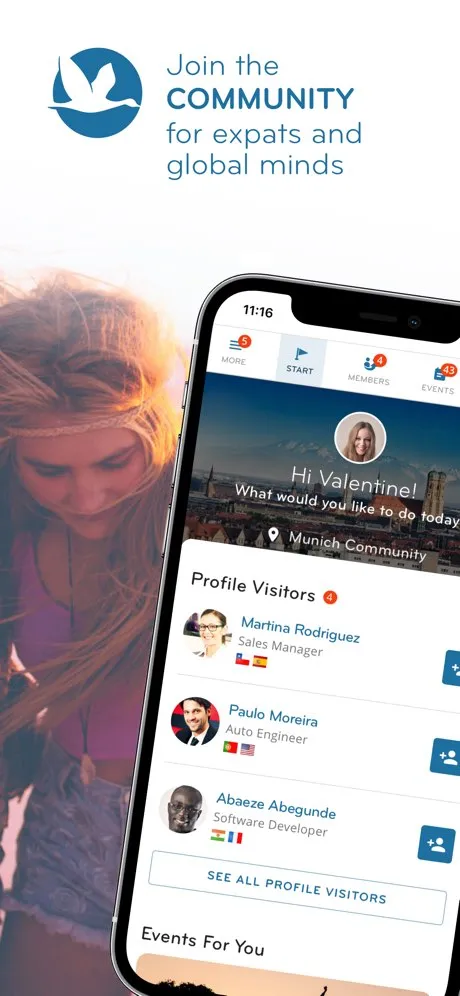
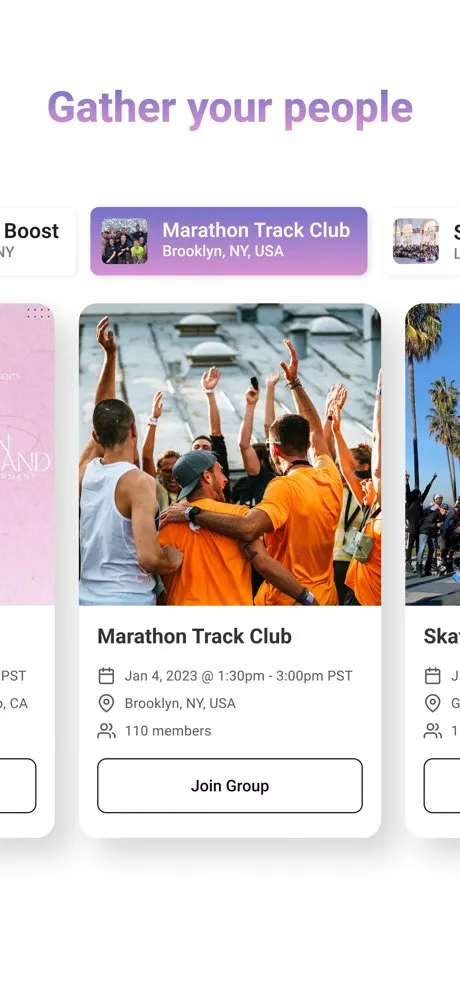
Heylo: A group leader creates a branded group page on Heylo with their logo, colors, and a custom URL. They post events with all the details — location, time, registration caps, guest policies — and members get notified by push notification and email. Members RSVP, pay if there's a fee, and join event-specific group chats to coordinate. The leader can collect recurring membership dues, require waivers, screen new members before letting them in, and track attendance over time. Members manage everything from the app or web — no separate payment apps, no email threads, no spreadsheets.
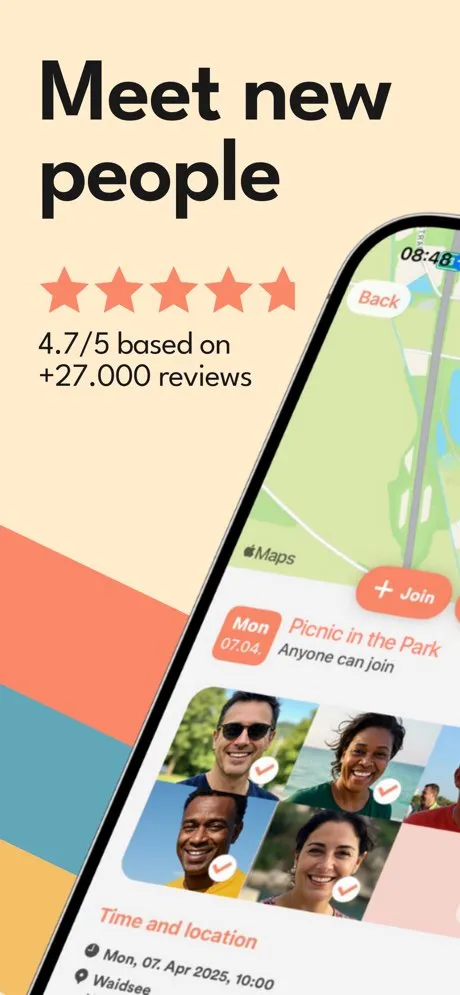
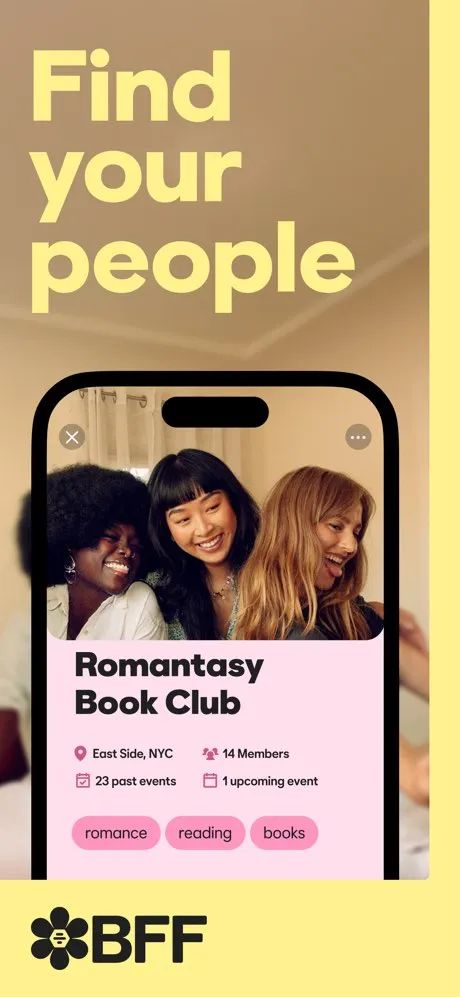
Kndrd: Download the app and apply to join — every member is reviewed by the Kndrd team, so expect a short wait. Once you're in, browse plans that other members have posted: anything from after-work drinks to weekend hikes to concert outings. See something you like? Join it, and a group chat auto-generates so you can coordinate details. You can also create your own plan and let the community come to you. There's also a Forum section where you can ask for recommendations, find roommates, or get advice from the community.
What to love
Heylo: Replaces GroupMe, Venmo, Google Forms, and email chains with a single platform. Completely free to use with no paywall or usage limits — Heylo only takes a cut of payments. Branded group pages with custom URLs look professional and are easy to share. Built-in payment collection, waivers, and member screening solve real operational headaches. Works on iOS, Android, and web so nobody is left out.
Kndrd: Every member is manually verified, which keeps the community quality high. Plan-based format means you're meeting people while doing something you already enjoy. Group chats auto-generate, removing the awkward 'so should we hang out?' step. The Forum adds a community layer beyond just events. Completely free — no subscriptions, no paywalls.
Reality check
Heylo: Not a friend-matching app — you need to already know about a group or start your own. Discovery of groups is limited; there's no curated marketplace of communities to browse. The platform's value scales with group size — solo users won't get much from it. Heylo's transaction fee on payments may not work for groups with tight budgets.
Kndrd: Only available in New York City right now — no other cities yet. Approval process means you can't just download and go. Skews heavily toward women — less useful if you're looking for a mixed-gender crowd. Small user base means plan variety depends on who's active.
Søren's take
On Heylo: Heylo isn't a friendship app in the traditional sense — it's the infrastructure that makes community groups actually work. If you're running a running club and juggling Venmo requests, GroupMe threads, and Google Form RSVPs, Heylo consolidates all of that into one clean platform. The fact that it's free (they only take a cut when money changes hands) is a huge deal for volunteer-run groups. The limitation is discovery: Heylo doesn't help you find a group, it helps groups run better. If you're a group leader, this is a no-brainer. If you're looking for friends, you'll need to find the group first — but once you do, Heylo makes the experience seamless.
On Kndrd: Kndrd is the kind of app that only works if the community is tight, and right now it is — because they're keeping it small and vetted. The plan-based model is genuinely smart: instead of matching you with a stranger and hoping you figure out something to do, you just join a plan that already sounds fun. The catch is that it's NYC-only and the approval process creates friction. If you're a woman in New York looking for a low-pressure way to find your people, this is worth the wait to get in.