Bumble BFF vs Clockout
Bumble BFF is a friendship app and Clockout is a networking app. They take different approaches to helping you meet people IRL — here’s a detailed comparison.
Side-by-side comparison · Updated 2026
At a glance
Pricing
Bumble BFF is priced at Free (Completely free — no paywalls, no premium tier), while Clockout comes in at $$ (Free to join (application required), Clockout Gold ~$8-28/month, $2 per RSVP).
Format & matching
Bumble BFF uses groups of 1:1 and groups, compared to Clockout’s Varies, and Bumble BFF relies on interest-based matching while Clockout uses algorithm-based matching.
How they work
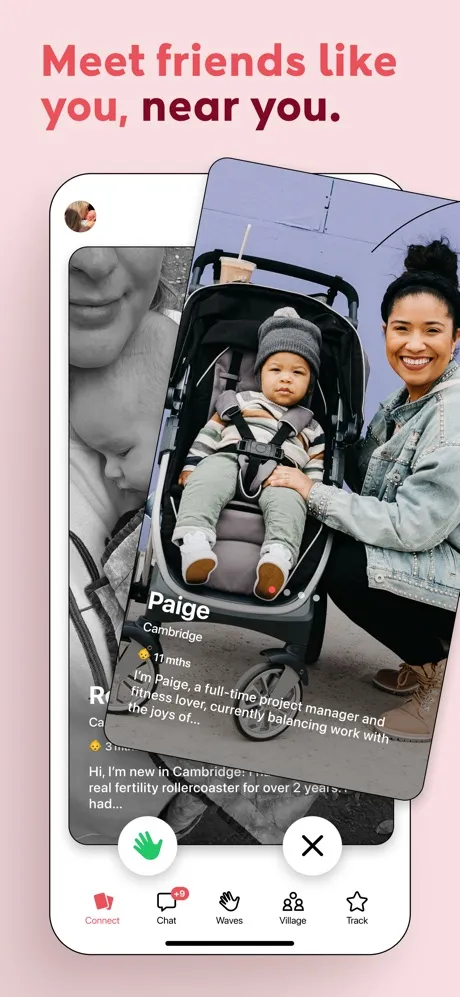
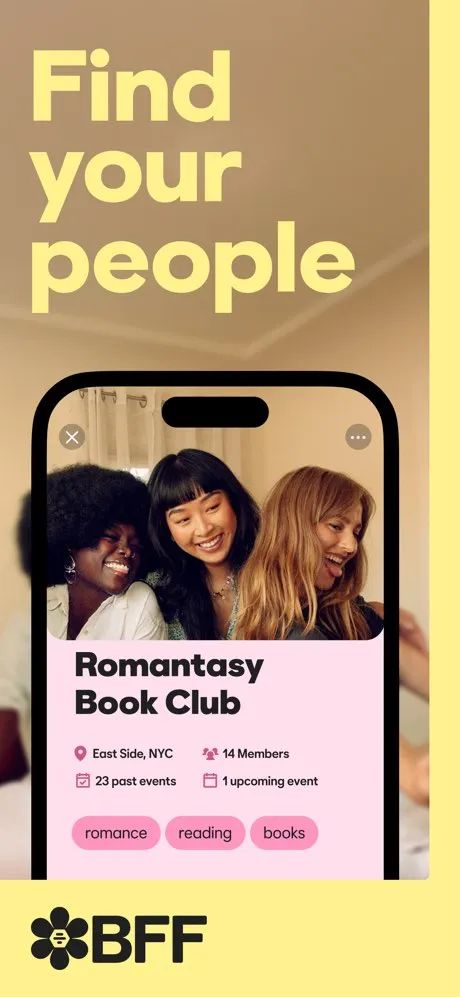
Bumble BFF: Download the standalone BFF app (separate from the Bumble dating app) and create a profile with your interests, a bio, and photo prompts that show your personality. Verify your identity with a selfie. Browse profiles of people nearby and swipe right on anyone you'd want to be friends with. If you both swipe right, you're matched and can start chatting. Beyond 1:1 matches, you can join or create Groups based on shared interests — think book clubs, running groups, or brunch crews. Groups have their own chat, posts, and even video calls to help you plan IRL hangouts.
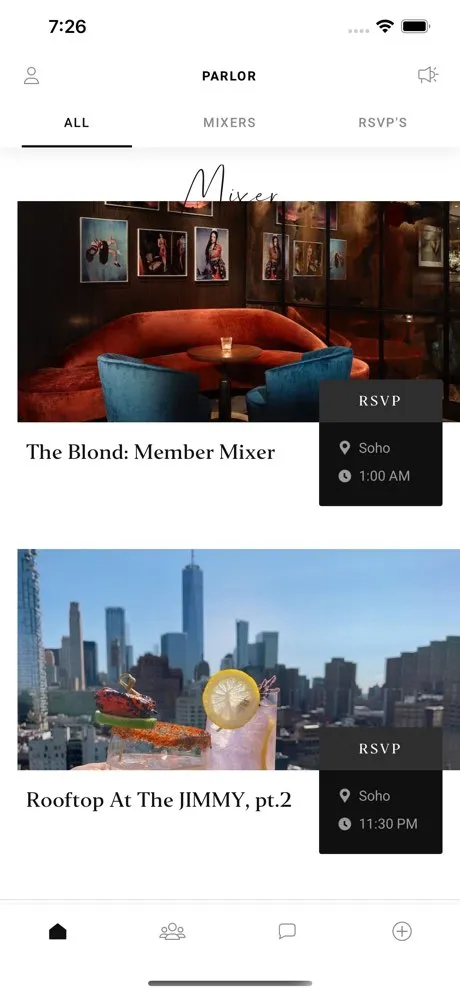
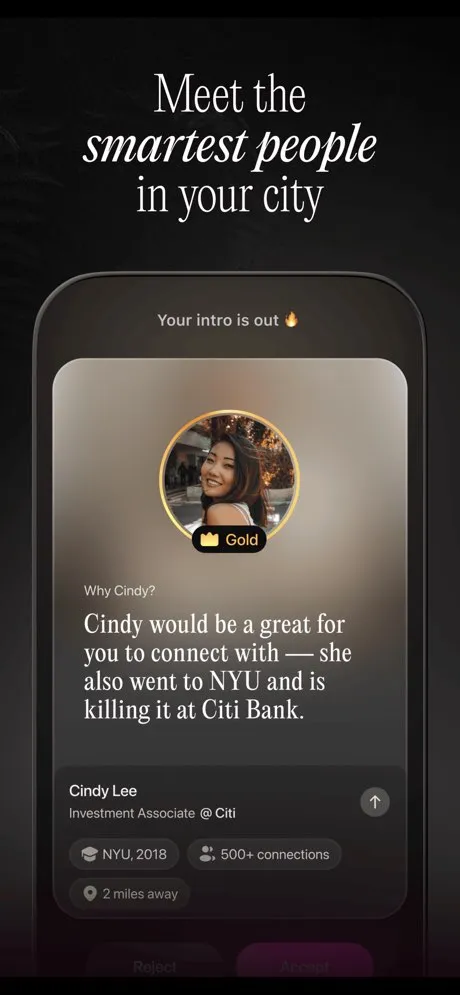
Clockout: Download the app and submit an application — Clockout's concierge team reviews every profile, so there's a waitlist (or you can skip it with a friend's invite code). Once accepted, build your profile with your career info, interests, and goals. Browse thousands of professional clubs and local events — mixers, galas, brunch clubs, rooftop socials — and RSVP to what sounds good. The AI-powered intro engine also recommends people you should meet based on your goals and industry. There's a gamified streak system that rewards consistent engagement.
What to love
Bumble BFF: Completely free with no paywalls — every feature is accessible without paying. Massive user base from Bumble's brand recognition means more potential matches nearby. Groups and community features go beyond 1:1 matching into real friend circles. Photo verification on every profile reduces catfishing and spam. Interest tags and photo prompts make profiles feel more personal than a generic bio.
Clockout: AI-powered introductions match you with people aligned to your professional goals. Massive community — 4,500+ clubs and groups across industries. Application-based vetting keeps the quality of members intentional. Gamified streaks and rewards make networking feel less like a chore. Events range from casual brunches to curated galas — something for every comfort level.
Reality check
Bumble BFF: The swiping mechanic still feels borrowed from dating — some people find it awkward for friendship. Conversations can fizzle fast since there's no built-in reason to actually meet up. The 2025 relaunch is still relatively new, so Groups can feel empty in smaller cities. No structured events or activities — you have to organize meetups yourself.
Clockout: The waitlist and application process means you can't just sign up and go tonight. Clockout Gold subscription ($8-28/month) plus $2 per RSVP adds up fast if you're active. Heavily skews Gen Z — professionals in their 30s+ may feel out of place. New York-centric energy, with uneven community density in smaller cities.
Søren's take
On Bumble BFF: Bumble BFF has the biggest advantage any friendship app can have: name recognition. Almost everyone has heard of Bumble, which means the user base is enormous. The 2025 relaunch with Groups is a smart move — pure 1:1 swiping for friends always felt slightly off, and the community layer gives you a reason to keep coming back. The fact that it's entirely free is remarkable. The catch? It still lacks the structured, get-you-out-of-the-house push that apps like Timeleft provide. You'll need to be proactive about turning matches into real-life hangouts.
On Clockout: Clockout is trying to be what LinkedIn should have been for in-person connections — and for Gen Z professionals, it's actually pulling it off. The application process and concierge vetting give it a members-club feel without the Soho House price tag, and the AI matching is a genuine step up from randomly showing up at networking happy hours. My concern is the layered pricing: free to join but Gold subscription plus per-event RSVPs means an active month could run $30-50+. If you're in your twenties, building a career in a major city, and want to meet ambitious people IRL, Clockout is one of the better options out there right now.