
Clockout vs WasMeant
Clockout focuses on networking while WasMeant is built around friendship. Both are available in 1 city — here’s how they compare.
Side-by-side comparison · Updated 2026
At a glance
Pricing
Both Clockout and WasMeant fall in the $$ price range. Clockout: Free to join (application required), Clockout Gold ~$8-28/month, $2 per RSVP. WasMeant: ~$19 per dinner ticket + cost of your meal.
Format & matching
Clockout uses groups of Varies, compared to WasMeant’s 4 per table, and both use algorithm-based matching.
How they work
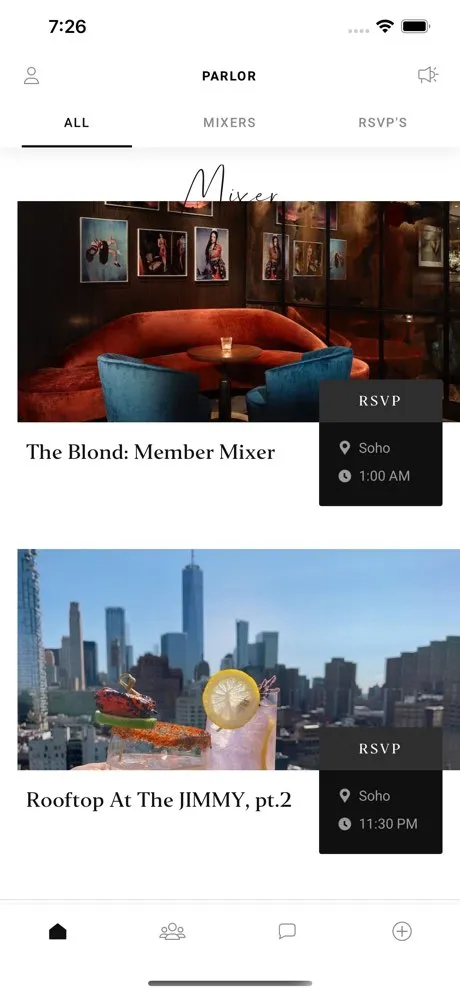
Clockout: Download the app and submit an application — Clockout's concierge team reviews every profile, so there's a waitlist (or you can skip it with a friend's invite code). Once accepted, build your profile with your career info, interests, and goals. Browse thousands of professional clubs and local events — mixers, galas, brunch clubs, rooftop socials — and RSVP to what sounds good. The AI-powered intro engine also recommends people you should meet based on your goals and industry. There's a gamified streak system that rewards consistent engagement.
WasMeant: Head to wasmeant.com and create an account. You'll fill out a personality questionnaire covering your interests, values, and social energy — takes about 10 minutes. Once your profile is complete, purchase a one-time dinner ticket ($18.99). Then pick which Friday dates work for you and start the group search. WasMeant's algorithm builds a balanced group of four people with compatible personalities. You'll get the restaurant name and details by email once your group is confirmed — usually 24 hours before. Show up Friday at 7 PM, sit down, and spend the evening with three strangers at a curated spot in Manhattan, Brooklyn, or Williamsburg.
What to love
Clockout: AI-powered introductions match you with people aligned to your professional goals. Massive community — 4,500+ clubs and groups across industries. Application-based vetting keeps the quality of members intentional. Gamified streaks and rewards make networking feel less like a chore. Events range from casual brunches to curated galas — something for every comfort level.
WasMeant: Algorithmic matching based on a real personality questionnaire — not random groupings. Small groups of four keep conversations intimate and comfortable. No app download required — sign up and manage everything on the website. Pay-per-dinner model with no subscription or auto-renewal. Restaurant selection is curated for atmosphere, not hype.
Reality check
Clockout: The waitlist and application process means you can't just sign up and go tonight. Clockout Gold subscription ($8-28/month) plus $2 per RSVP adds up fast if you're active. Heavily skews Gen Z — professionals in their 30s+ may feel out of place. New York-centric energy, with uneven community density in smaller cities.
WasMeant: NYC only — if you're not in New York, you're out of luck. Friday-only schedule at 7 PM is rigid if your weekends are unpredictable. Ticket price covers coordination only — you still pay for your own meal and drinks. Relatively new platform, so the matching pool may be smaller than established competitors.
Søren's take
On Clockout: Clockout is trying to be what LinkedIn should have been for in-person connections — and for Gen Z professionals, it's actually pulling it off. The application process and concierge vetting give it a members-club feel without the Soho House price tag, and the AI matching is a genuine step up from randomly showing up at networking happy hours. My concern is the layered pricing: free to join but Gold subscription plus per-event RSVPs means an active month could run $30-50+. If you're in your twenties, building a career in a major city, and want to meet ambitious people IRL, Clockout is one of the better options out there right now.
On WasMeant: WasMeant feels like the scrappy, NYC-native answer to Timeleft. The premise is nearly identical — personality-matched dinners with strangers — but the execution is more intimate: groups of four instead of six, and a deliberate focus on one city done well rather than scaling everywhere at once. The Friday-at-7-PM ritual is a nice counterpoint to Timeleft's Wednesday format. The biggest limitation is obvious: it's NYC only. But if you live in New York and want a low-pressure way to meet genuinely interesting people over dinner, this is worth a ticket.