Clockout vs Hank
Clockout is a networking app and Hank is a friendship app. They take different approaches to helping you meet people IRL — here’s a detailed comparison.
Side-by-side comparison · Updated 2026
At a glance
Pricing
Clockout is priced at $$ (Free to join (application required), Clockout Gold ~$8-28/month, $2 per RSVP), while Hank comes in at Free (Free to download and use).
Format & matching
Both apps use groups of Varies, and Clockout relies on algorithm-based matching while Hank uses interest-based matching.
How they work
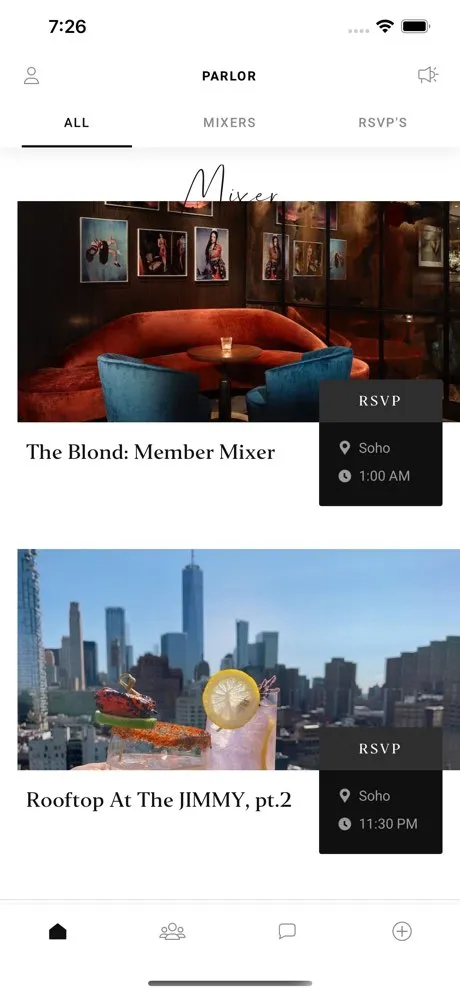
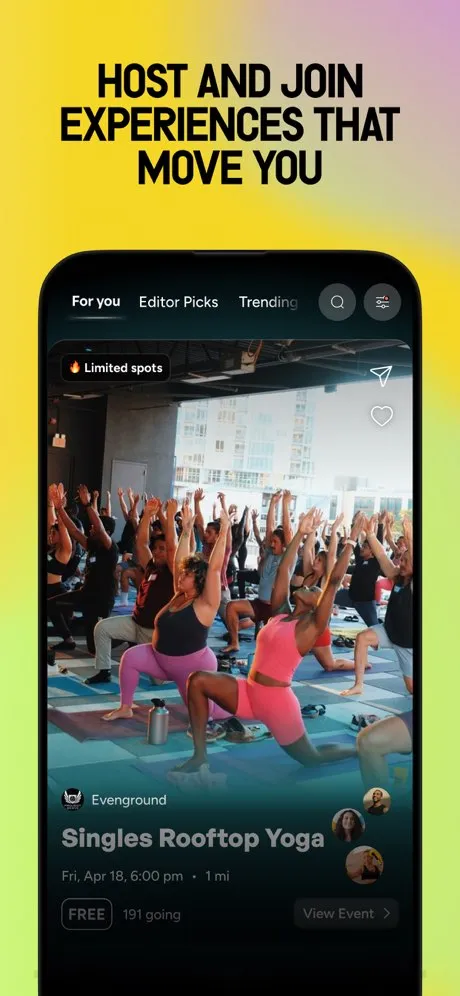
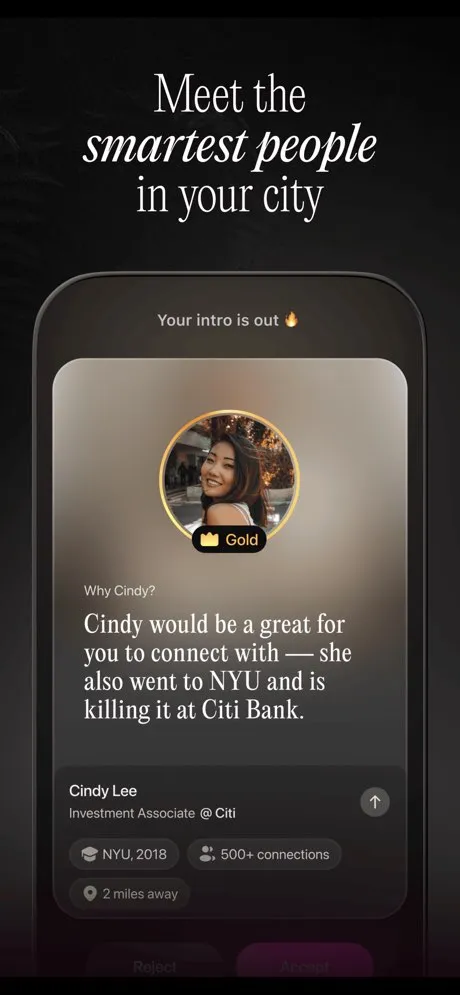
Clockout: Download the app and submit an application — Clockout's concierge team reviews every profile, so there's a waitlist (or you can skip it with a friend's invite code). Once accepted, build your profile with your career info, interests, and goals. Browse thousands of professional clubs and local events — mixers, galas, brunch clubs, rooftop socials — and RSVP to what sounds good. The AI-powered intro engine also recommends people you should meet based on your goals and industry. There's a gamified streak system that rewards consistent engagement.
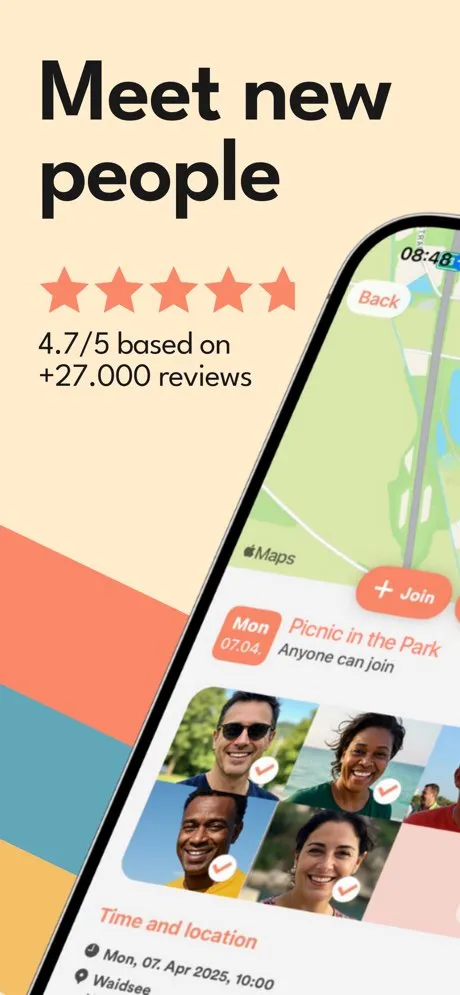
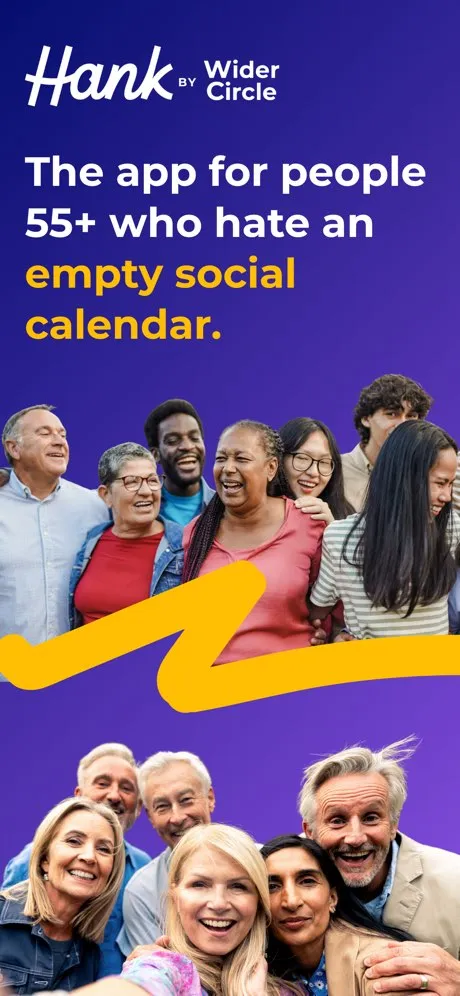
Hank: Download the app and create a profile. Browse a calendar of local activities — walks, coffee meetups, happy hours, museum visits, book clubs, and more — happening near you or online. Join anything that catches your eye. Before the event, you can see other attendees' profiles and start a conversation. After the activity, stay connected with people you clicked with through in-app messaging. If you don't see the right activity, create your own — set the time, place, and description, and Hank handles the rest.
What to love
Clockout: AI-powered introductions match you with people aligned to your professional goals. Massive community — 4,500+ clubs and groups across industries. Application-based vetting keeps the quality of members intentional. Gamified streaks and rewards make networking feel less like a chore. Events range from casual brunches to curated galas — something for every comfort level.
Hank: Purpose-built for 55+ — no competing with twenty-somethings or navigating dating-app mechanics. Completely free with no subscription walls or premium tiers. Both in-person and online activities mean you can participate regardless of mobility. You can host your own events, not just join existing ones. Clean, simple interface designed for accessibility.
Reality check
Clockout: The waitlist and application process means you can't just sign up and go tonight. Clockout Gold subscription ($8-28/month) plus $2 per RSVP adds up fast if you're active. Heavily skews Gen Z — professionals in their 30s+ may feel out of place. New York-centric energy, with uneven community density in smaller cities.
Hank: Currently strongest in the New York area — thinner activity selection in other regions. No Android app yet (planned but not launched). Smaller user base compared to mainstream apps means fewer activities in less populated areas. No algorithmic matching — you browse and choose activities yourself.
Søren's take
On Clockout: Clockout is trying to be what LinkedIn should have been for in-person connections — and for Gen Z professionals, it's actually pulling it off. The application process and concierge vetting give it a members-club feel without the Soho House price tag, and the AI matching is a genuine step up from randomly showing up at networking happy hours. My concern is the layered pricing: free to join but Gold subscription plus per-event RSVPs means an active month could run $30-50+. If you're in your twenties, building a career in a major city, and want to meet ambitious people IRL, Clockout is one of the better options out there right now.
On Hank: Hank fills a gap that's been wide open for years: most friendship apps are designed for people in their 20s and 30s, and the 55+ crowd has been left to figure it out on their own. Hank's approach is refreshingly straightforward — here's a calendar of things to do, go do them with people your age. No personality quizzes, no swiping, no algorithms. The free pricing is a big deal for this demographic. The main limitation is geographic reach — it started in NYC and is still building out — but if you're 55+ and looking for community, this should be on your phone.