Closer vs mmotion
Closer and mmotion are both friendship apps that help you meet people in real life, but they take different approaches. Here’s how they stack up across pricing, format, cities, and more.
Side-by-side comparison · Updated 2026
At a glance
Pricing
Closer is priced at $$ ($20/month after 3-month free trial, plus $35 initiation fee), while mmotion comes in at Free (Free (invite-only beta)).
Format & matching
Closer uses groups of Intentionally small groups, compared to mmotion’s 5 friends per profile, and Closer relies on manual / self-select matching while mmotion uses interest-based matching.
How they work
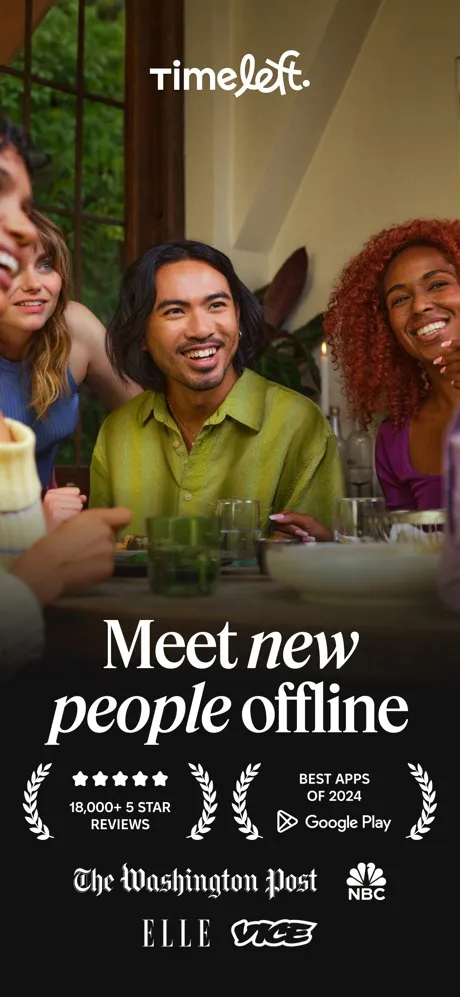
Closer: Head to becloser.co and create an account with your name, email, and phone number. Your first three months of membership are free — after that it's $20/month. Browse upcoming experiences in your city: dinners, drinks nights, live jazz, yoga and wine, home-cooked meals, or weekend getaways. Reserve a spot and show up solo. A facilitator guides the evening with conversation prompts designed for small groups, so you skip the surface-level small talk and get to real conversations fast. There's a $35 initiation fee at your first event.
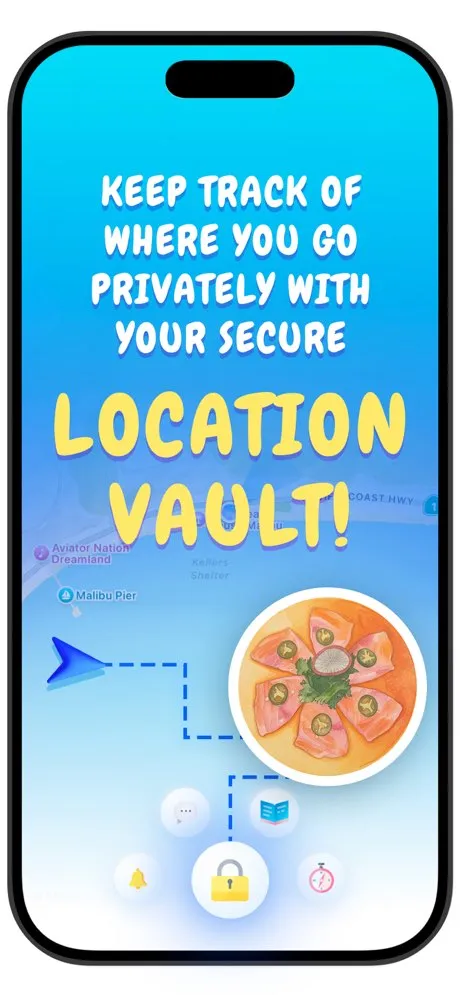
mmotion: Apply to join the vetted community — mmotion is members-only. Once approved, the app quietly logs the places you spend time at (restaurants, gyms, galleries) into a private Location Vault that only you can see. You create up to three profiles to express different sides of yourself — maybe one for nightlife, one for fitness. When you're ready, you choose which visits to share publicly. You can discover other members who've visited the same spots and connect with them, limited to five friends per profile to keep things intentional. Messaging opens with a built-in conversation starter about the place you both visited.
What to love
Closer: No app download required — just sign up on the website. Three free months of membership to try it risk-free. Variety of experience types beyond just dinners — yoga, jazz, trips, home meals. Facilitated format means you skip awkward small talk and get to real conversation. Everyone comes solo, so there's no feeling of being the odd one out.
mmotion: Privacy-first design — everything is private by default. Location-based matching feels more organic than profiles or algorithms. Multiple profiles let you compartmentalize your social life. Five-friend limit per profile forces genuine connections. Built-in conversation starters remove the cold-open awkwardness.
Reality check
Closer: Currently limited to 8 cities — mostly US, plus London, Toronto, Montreal, Sydney, Melbourne. $35 initiation fee at your first event on top of the monthly membership. No matching algorithm — who you meet is based on who else signed up for that event. Late cancellation ($10) and no-show ($20) fees can sting if plans change last minute.
mmotion: NYC-only beta with a 1,000-user cap — most people can't use it yet. Invite-only application process creates a barrier to entry. Requires constant location access, which is a big ask. Very new — the community may be too small to reliably match with people.
Søren's take
On Closer: Closer sits in a sweet spot between a dinner club and a full-blown social platform. The facilitated format is the real differentiator — most social clubs just put people in a room and hope for the best, but Closer's prompts and small-group structure actually create the conditions for meaningful conversation. The three-month free trial is generous, and the event variety (not just dinners!) keeps things fresh. If you're in one of their cities and tired of forced networking energy, this is worth a try. Just be aware of the initiation fee — it's not huge, but it's an extra cost they don't highlight upfront.
On mmotion: mmotion is one of the most interesting social apps I've seen in a while — the idea of meeting people through shared places instead of shared bios is genuinely compelling. The privacy controls are thoughtful and the five-friend cap is a bold design choice that signals they're serious about quality over quantity. But right now, it's a NYC-only beta capped at 1,000 users, so unless you're in Manhattan, you're on a waitlist. Worth applying if you're in New York and curious about what post-swipe social networking looks like.