happn vs Sitch
happn and Sitch are both dating apps that help you meet people in real life, but they take different approaches. Here’s how they stack up across pricing, format, cities, and more.
Side-by-side comparison · Updated 2026
At a glance
Pricing
happn is priced at Free (Free with optional Premium subscription (~$25/month)), while Sitch comes in at $$ (Free to apply; paid "Setup" packs required for matches).
Format & matching
Both apps use groups of 1:1, and both use algorithm-based matching.
How they work
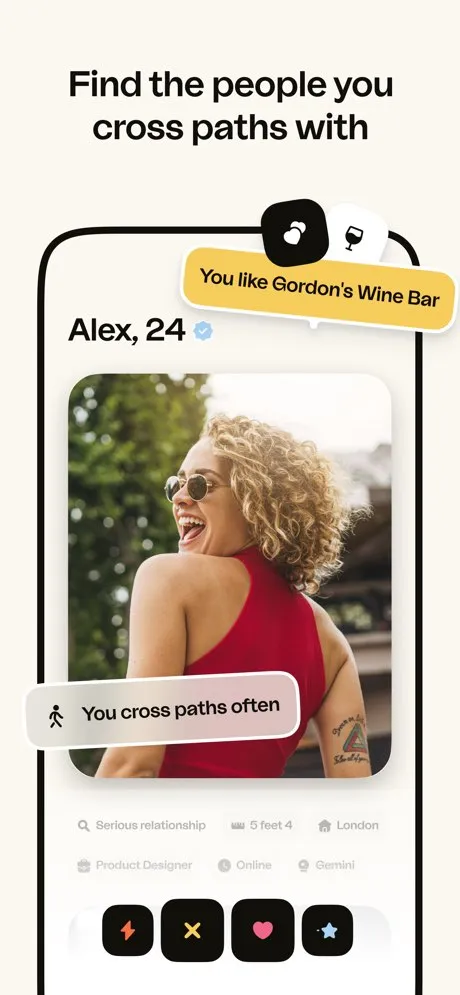
happn: Sign up and create a profile with your photos and interests. As you go about your day, happn uses your location to detect when you cross paths with other users. Those people appear in your timeline with the time and approximate location of the crossing. If someone catches your eye, tap the heart to secretly like them. If they like you back, it's a Crush and you can start chatting. You can also send a SuperCrush to notify someone directly that you're interested.
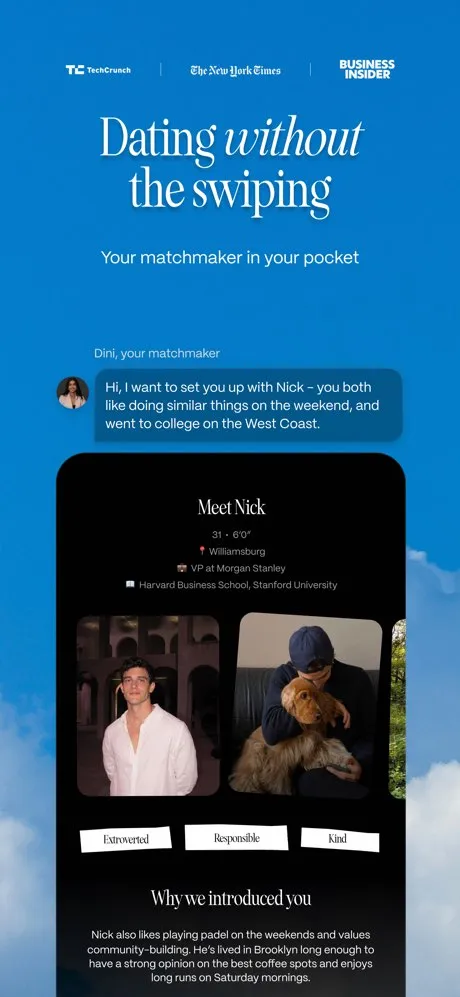
Sitch: You start by submitting an application — think of it as a dating profile with teeth. You share your values, interests, hot takes, and deal-breakers. Sitch's AI and a team of human matchmakers review your profile and, if accepted, you buy a pack of "Setups." From there, Sitch sends you curated matches one at a time. If both people say yes, Sitch handles the intro so neither of you is stuck waiting for the other to message first. You can also call their AI matchmaker for real-time dating advice.
What to love
happn: Location-based crossing makes matches feel more organic and realistic. 140+ million users worldwide gives you a massive pool in most cities. The Crush system means you only chat with mutual matches — no unwanted messages. Free tier is genuinely usable, not just a teaser. Available globally, not locked to specific cities.
Sitch: Hybrid AI + human matchmaking feels more thoughtful than pure algorithms. The mutual opt-in intro removes the awkward 'who messages first' problem. Application process filters for people who are actually serious. AI matchmaker phone call feature is a genuinely novel touch. No endless swiping — matches come to you.
Reality check
happn: Effectiveness depends heavily on population density — suburban and rural users will struggle. The location tracking can feel creepy if you're not comfortable sharing your movements. Premium pricing is steep for what you get compared to competitors. Profile depth is limited — you're mostly judging by photos and crossing frequency.
Sitch: NYC-focused, so most people can't use it yet. Waitlist and approval process means you might wait a while to get in. Paid Setup packs on top of the application feels like a lot of friction. iOS only — no Android or web app.
Søren's take
On happn: Happn's core idea is genuinely clever: instead of showing you thousands of strangers, it surfaces the people you've already been near in real life. In a dense city, this creates a dating pool that actually makes logistical sense. The problem is that the concept works best where it's needed least — in big cities where you already have plenty of dating options. In smaller towns, your timeline might be a ghost town. If you live in a major metro and want to stop matching with people 45 minutes away, happn is worth a download alongside your main dating app.
On Sitch: Sitch is betting that the future of dating isn't more swiping — it's less. The hybrid AI-plus-human matchmaking model is compelling because it adds a layer of curation that pure algorithms can't replicate. The application process and paid Setup packs create real friction, but that's kind of the point: it filters for people who are genuinely invested in finding someone. If you're in New York and tired of the dating app hamster wheel, Sitch is worth the waitlist. Just know that you're paying for the privilege of being set up, and the app is still early enough that the match pool may be limited.