
happn vs WasMeant
happn is a dating app and WasMeant is a friendship app. They take different approaches to helping you meet people IRL — here’s a detailed comparison.
Side-by-side comparison · Updated 2026
At a glance
Pricing
happn is priced at Free (Free with optional Premium subscription (~$25/month)), while WasMeant comes in at $$ (~$19 per dinner ticket + cost of your meal).
Format & matching
happn uses groups of 1:1, compared to WasMeant’s 4 per table, and both use algorithm-based matching.
How they work
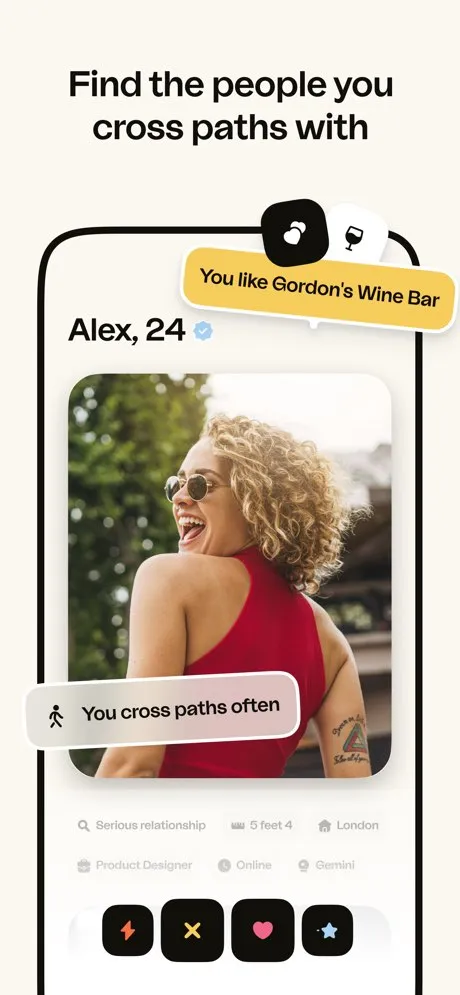
happn: Sign up and create a profile with your photos and interests. As you go about your day, happn uses your location to detect when you cross paths with other users. Those people appear in your timeline with the time and approximate location of the crossing. If someone catches your eye, tap the heart to secretly like them. If they like you back, it's a Crush and you can start chatting. You can also send a SuperCrush to notify someone directly that you're interested.
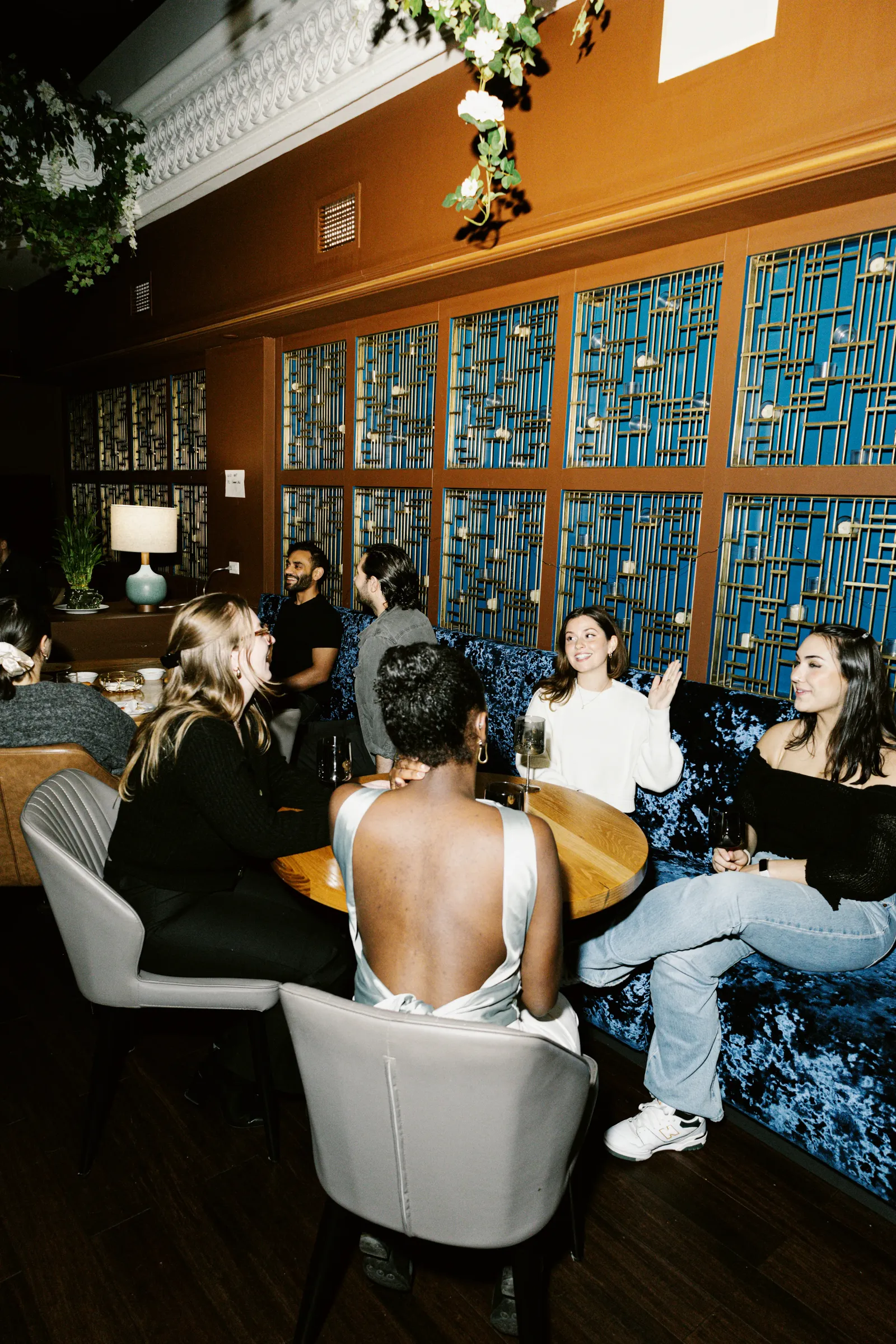
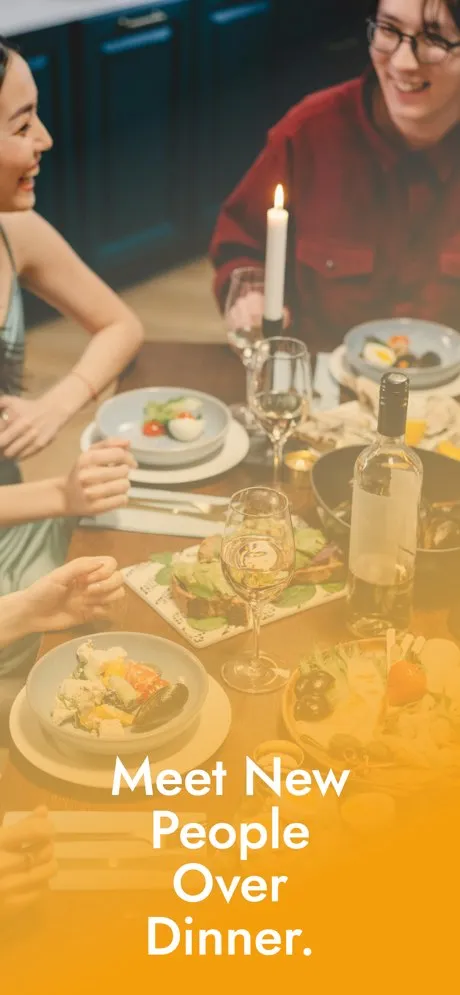
WasMeant: Head to wasmeant.com and create an account. You'll fill out a personality questionnaire covering your interests, values, and social energy — takes about 10 minutes. Once your profile is complete, purchase a one-time dinner ticket ($18.99). Then pick which Friday dates work for you and start the group search. WasMeant's algorithm builds a balanced group of four people with compatible personalities. You'll get the restaurant name and details by email once your group is confirmed — usually 24 hours before. Show up Friday at 7 PM, sit down, and spend the evening with three strangers at a curated spot in Manhattan, Brooklyn, or Williamsburg.
What to love
happn: Location-based crossing makes matches feel more organic and realistic. 140+ million users worldwide gives you a massive pool in most cities. The Crush system means you only chat with mutual matches — no unwanted messages. Free tier is genuinely usable, not just a teaser. Available globally, not locked to specific cities.
WasMeant: Algorithmic matching based on a real personality questionnaire — not random groupings. Small groups of four keep conversations intimate and comfortable. No app download required — sign up and manage everything on the website. Pay-per-dinner model with no subscription or auto-renewal. Restaurant selection is curated for atmosphere, not hype.
Reality check
happn: Effectiveness depends heavily on population density — suburban and rural users will struggle. The location tracking can feel creepy if you're not comfortable sharing your movements. Premium pricing is steep for what you get compared to competitors. Profile depth is limited — you're mostly judging by photos and crossing frequency.
WasMeant: NYC only — if you're not in New York, you're out of luck. Friday-only schedule at 7 PM is rigid if your weekends are unpredictable. Ticket price covers coordination only — you still pay for your own meal and drinks. Relatively new platform, so the matching pool may be smaller than established competitors.
Søren's take
On happn: Happn's core idea is genuinely clever: instead of showing you thousands of strangers, it surfaces the people you've already been near in real life. In a dense city, this creates a dating pool that actually makes logistical sense. The problem is that the concept works best where it's needed least — in big cities where you already have plenty of dating options. In smaller towns, your timeline might be a ghost town. If you live in a major metro and want to stop matching with people 45 minutes away, happn is worth a download alongside your main dating app.
On WasMeant: WasMeant feels like the scrappy, NYC-native answer to Timeleft. The premise is nearly identical — personality-matched dinners with strangers — but the execution is more intimate: groups of four instead of six, and a deliberate focus on one city done well rather than scaling everywhere at once. The Friday-at-7-PM ritual is a nice counterpoint to Timeleft's Wednesday format. The biggest limitation is obvious: it's NYC only. But if you live in New York and want a low-pressure way to meet genuinely interesting people over dinner, this is worth a ticket.